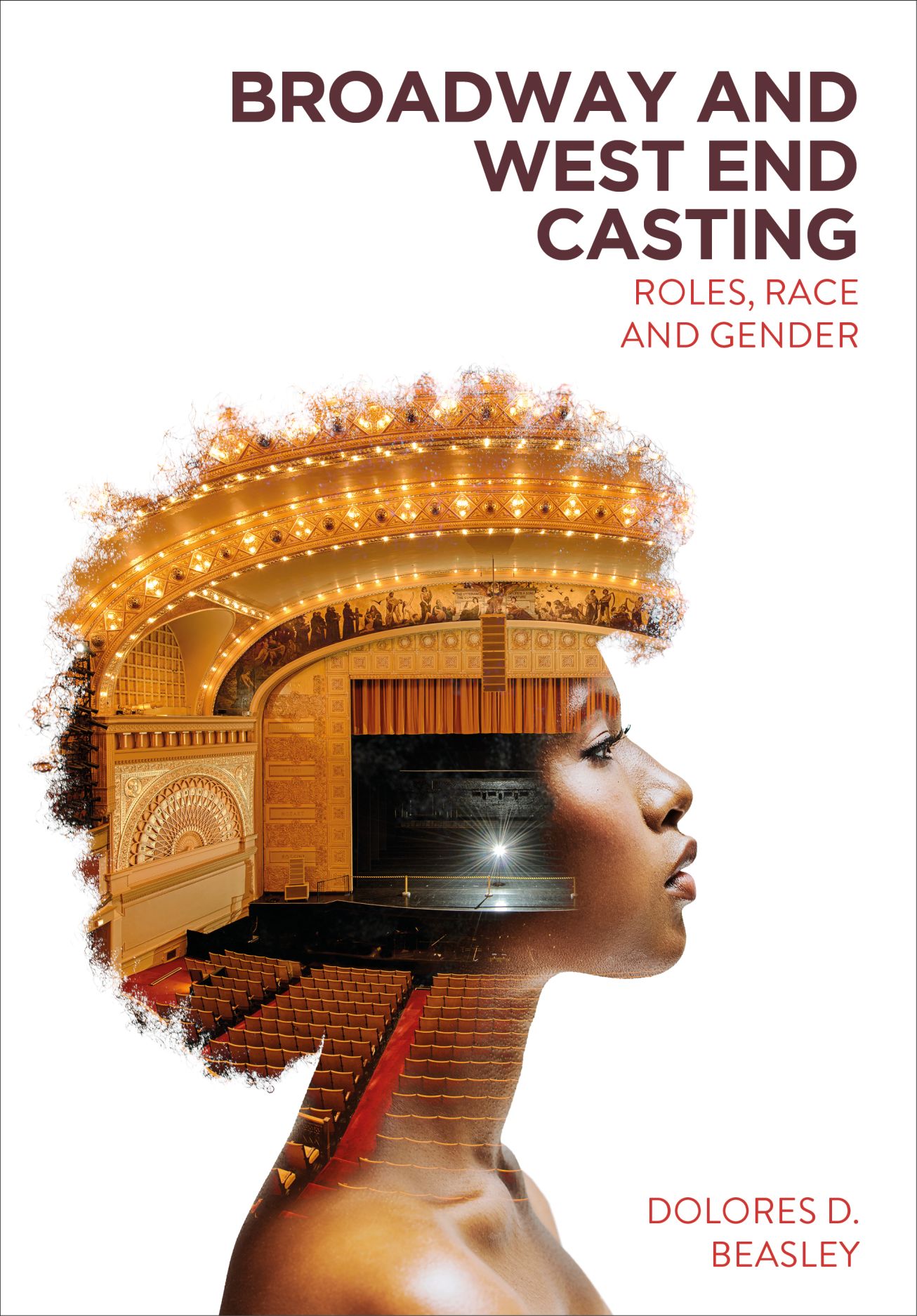
This book explores the politics and cultural significance of “nontraditional” casting through a wide-ranging examination of theater on Broadway and in the West End.
This book explores the politics and cultural significance of “nontraditional” casting through a wide-ranging examination of theater on Broadway and in the West End. Combining theater spectatorship, performer histories, interviews, and cultural analysis, Broadway and West End Casting considers how race, gender, representation, and access continue to shape contemporary performance cultures in the US and UK. Dolores D. Beasley asks how audiences interpret productions in which Black actors or women perform roles historically associated with white or male identities, and whether such casting should be understood as representational inclusion, aesthetic intervention, or political statement. Across a range of Broadway and West End productions, the book explores the extent to which casting practices reshape theatrical meaning, audience reception, and cultural expectations surrounding race, gender, and performance.
Ranging through musical theater, Shakespeare, contemporary drama, criticism, and audience reception, the study examines the ways casting choices influence not only who appears on stage, but how theatrical meaning itself is constructed and received. Productions including Hamilton, Oklahoma!, Company, Othello, and Emilia are situated within broader conversations about racial justice, representation, spectatorship, and institutional change in contemporary theater industries. At the center of the book is a sustained engagement with Black theater histories and the experiences of Black performers, audiences, and creative workers. The book connects contemporary casting debates to longer histories of exclusion, opportunity, and artistic negotiation, while also reflecting on the role of critics, audiences, and theatrical institutions in shaping cultural legitimacy and visibility.
Written in an accessible and personal style, the book combines critical reflection with lived theater-going experience, offering a perspective that moves between scholarship, cultural commentary, and performance criticism. The result is a study that speaks both to theater enthusiasts and to wider discussions about race, identity, representation, and cultural power in contemporary performance culture.
178 pages | 6.69 x 9.61 | © 2027